
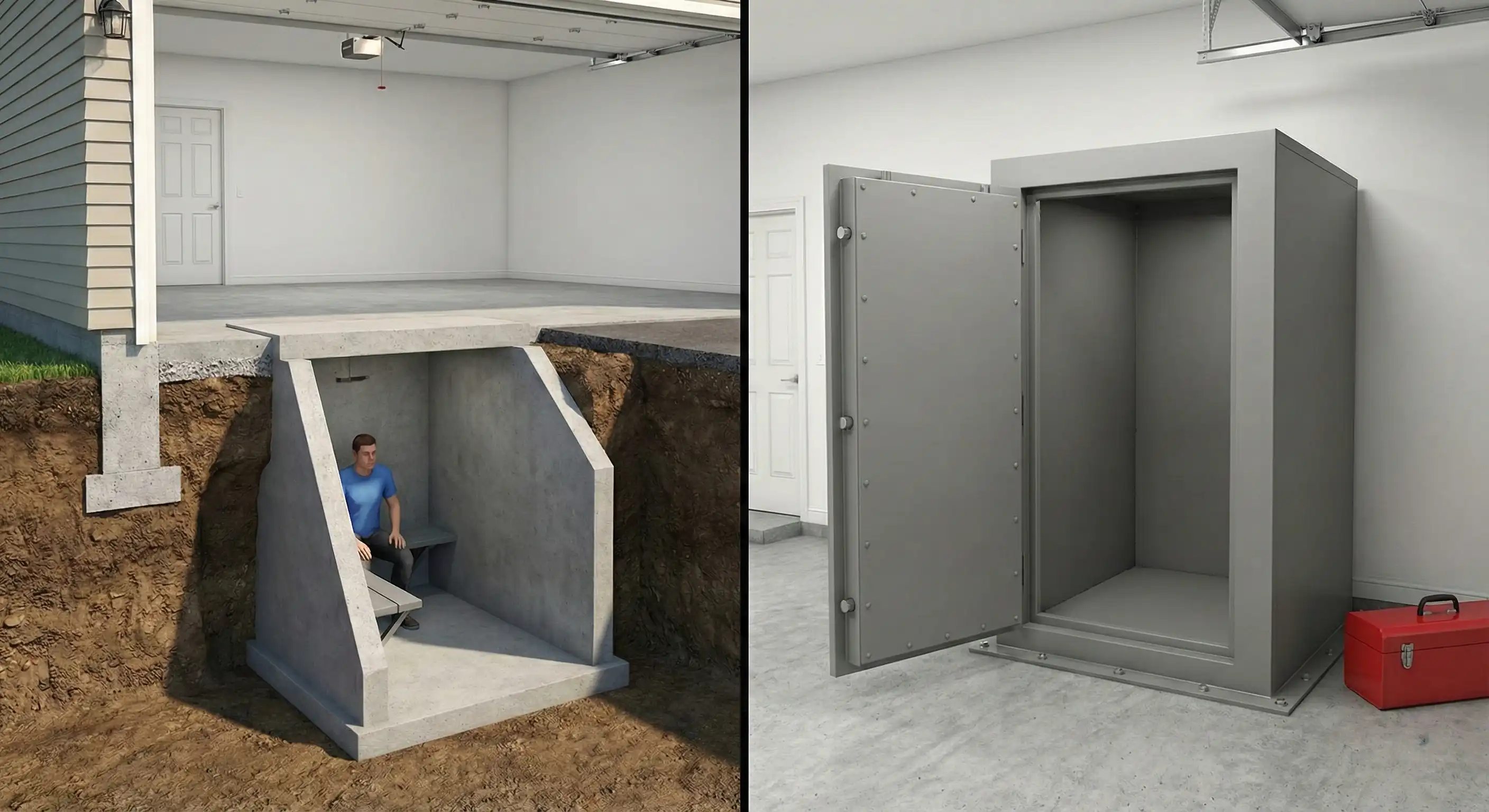
When Huntsville homeowners decide to install a storm shelter, one of the first major decisions is choosing between an underground shelter and an above-ground safe room. Both types meet FEMA safety standards and provide life-saving protection during tornadoes. However, the right choice depends on your property’s characteristics, your family’s specific needs, and several factors unique to North Alabama. This guide helps you understand the differences and make the best decision for your situation.
Understanding the Two Main Shelter Types
Before diving into comparisons, let’s establish what each shelter type offers.
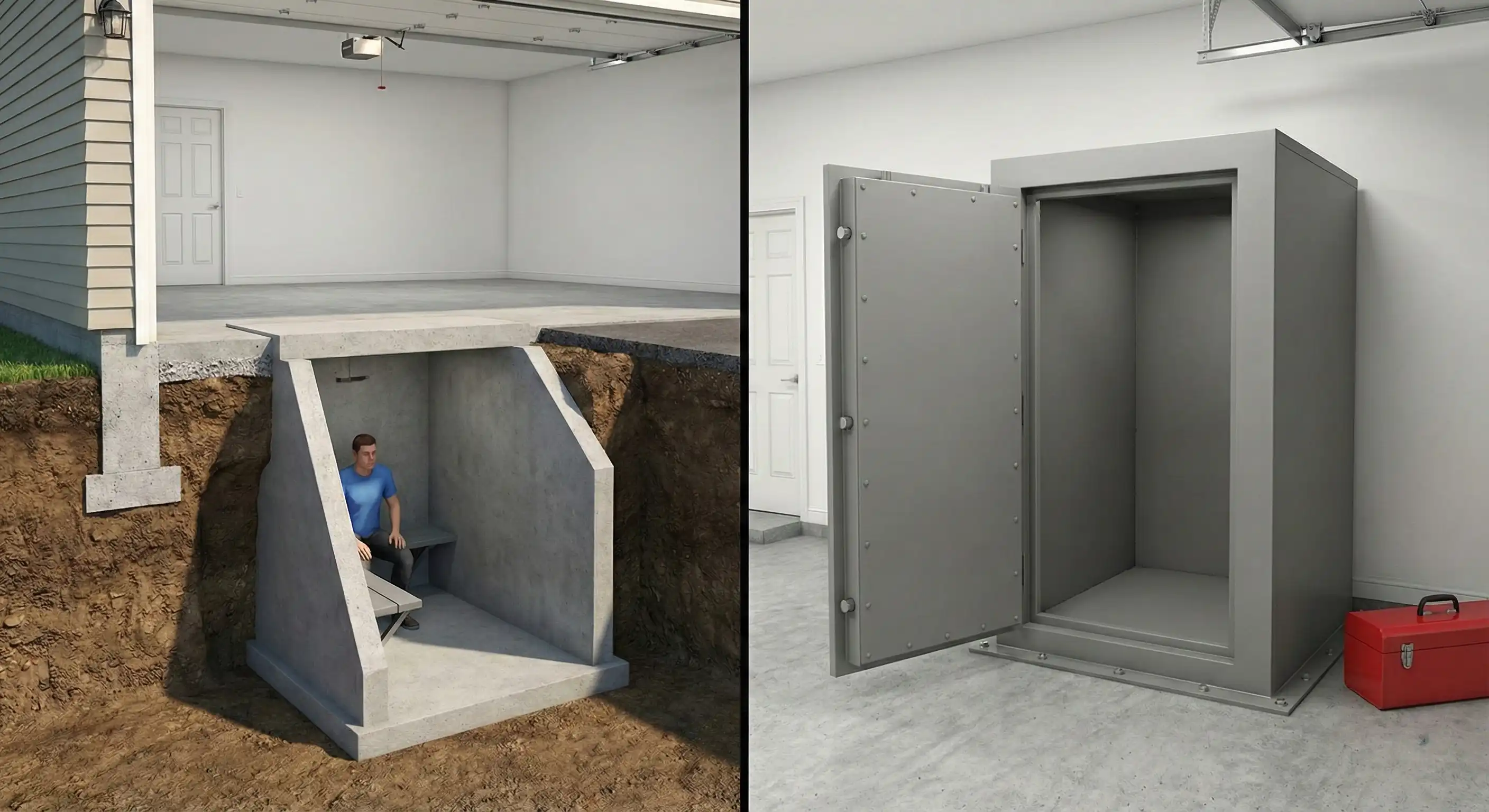
Underground Storm Shelters
Underground shelters, also called in-ground shelters or tornado bunkers, are reinforced concrete structures installed below ground level. They’re accessed through a hatch or door in your garage floor or yard. Once inside, you’re completely surrounded by earth and concrete, providing the highest level of protection from wind and debris.
Standard underground shelters accommodate 4-12 people comfortably, with larger custom options available. They typically feature reinforced concrete walls rated for EF5 tornado conditions, secure locking mechanisms, ventilation systems, and interior lighting.
Above-Ground Storm Shelters
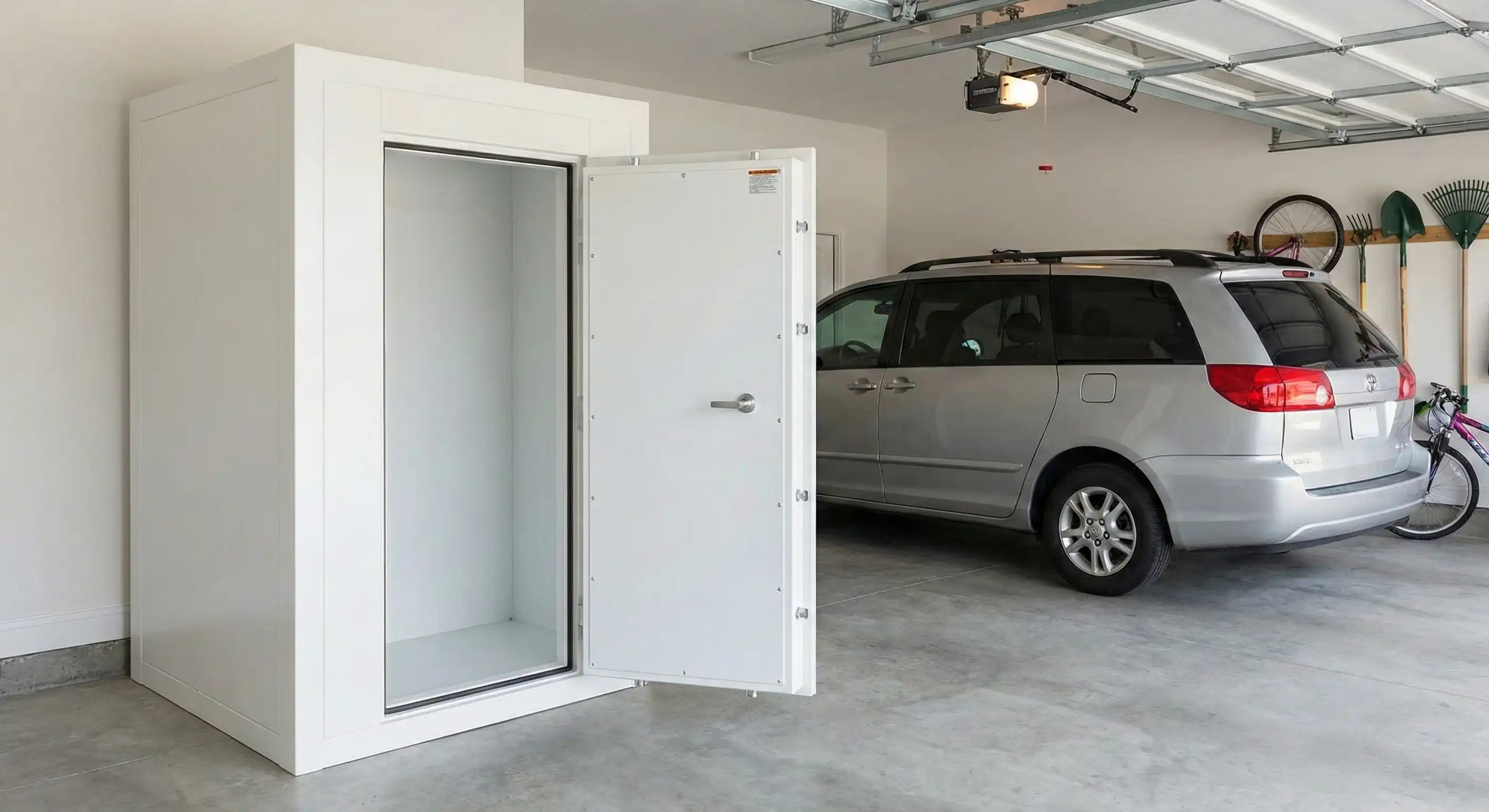
Above-ground shelters, commonly called safe rooms, are heavy-duty structures built from welded steel or reinforced concrete. They sit inside your garage, basement, or as standalone units in your yard. These shelters resist tornado forces through robust construction rather than burial beneath the ground.
Above-ground safe rooms offer similar capacity options and protection levels as underground models but with different access characteristics. They’re particularly popular for homes where underground installation isn’t practical.
Soil Conditions in North Alabama
One of the most important factors in your shelter decision is what lies beneath your property. North Alabama’s geology varies considerably across the region, and soil conditions directly impact installation feasibility and cost.
Huntsville Area Geology
The Greater Huntsville area features diverse soil conditions:
Limestone Bedrock Zones: Much of Huntsville proper, particularly areas near Monte Sano and downtown, feature shallow limestone bedrock. This rock can make excavation for underground shelters more challenging and expensive. When bedrock is within 4-5 feet of the surface, installers may need specialized equipment, adding $500-$1,500 to costs.
Clay Soils: Many suburban neighborhoods, including parts of Madison and Harvest, have clay-heavy soils. While clay is easier to excavate than rock, it expands and contracts with moisture changes. Underground shelters in clay soils require proper drainage systems to prevent water issues.
Sandy and Loam Areas: Some areas, particularly near floodplains and creeks, feature sandier soils that excavate easily. These locations are often ideal for underground installation, though water table depth becomes the primary concern.
What This Means for Your Decision
If your property has:
- Shallow bedrock: Above-ground shelter may be more practical and cost-effective
- Deep clay soils: Underground shelter works well with proper drainage
- Sandy soil with low water table: Ideal conditions for underground installation
- High water table: Above-ground shelter recommended
A professional site assessment identifies your soil conditions and recommends the most appropriate shelter type. Most installers offer free evaluations.
Water Table Considerations
Water table depth is crucial for underground shelter decisions in the Huntsville area. The water table is the level below which the ground is saturated with water. Installing an underground shelter below or near this level creates significant challenges.
Signs of High Water Table
You might have a high water table if:
- Your basement experiences seepage or flooding
- You have a sump pump that runs frequently
- Puddles form in your yard and take days to drain
- Neighbors have experienced underground water issues
- Your property is near creeks, rivers, or flood zones
Managing Water Table Challenges
For properties with water table concerns, installers have several options:
Enhanced Waterproofing: Additional sealants and membrane systems can protect underground shelters from groundwater intrusion, adding $300-$600 to installation costs.
Sump Pump Systems: Battery-backup sump pumps inside the shelter ensure water is removed if any does enter. This adds $400-$800 to the project.
Elevated Installation: Sometimes, raising the shelter slightly while still maintaining below-grade protection works. This hybrid approach may solve moderate water table issues.
Above-Ground Recommendation: When water tables are within 3-4 feet of the surface, above-ground shelters become the clear choice. No amount of waterproofing can reliably protect an underground structure constantly fighting groundwater pressure.
Seasonal Variations
North Alabama experiences seasonal water table fluctuations. Winter and spring typically bring higher water tables due to increased rainfall. Consider this timing when planning installation—a site assessment during dry summer months might not reveal seasonal water issues.
Accessibility for Elderly and Disabled Family Members
One of the most significant differences between shelter types involves accessibility. If your household includes elderly family members, anyone with mobility challenges, or small children, access requirements should heavily influence your decision.
Underground Shelter Access Challenges
Standard underground shelters present several accessibility barriers:
Stairs or Ladder Access: Most underground shelters require descending 6-10 steps or climbing down a ladder. This can be difficult or impossible for those with:
- Knee, hip, or back problems
- Arthritis or joint pain
- Balance issues
- Wheelchair or walker dependency
- Respiratory conditions that make climbing difficult
Getting Out After a Storm: Perhaps more concerning is exiting after a tornado. Debris may partially block exits, and the physical demands of climbing out while stressed can be challenging for anyone, especially those with limitations.
Time Pressure: When tornado warnings sound, every second counts. Family members who move slowly may not reach an underground shelter in time, especially if it’s in the yard rather than the garage.
Above-Ground Shelter Advantages for Accessibility
Above-ground safe rooms offer significant accessibility benefits:
Ground-Level Entry: Walk-in access with no stairs to navigate Wider Doors: Many models feature 36” doors accommodating wheelchairs Interior Space: Floor-level design allows mobility devices inside Faster Access: No climbing means faster entry for everyone Easier Exit: Post-storm exit is simpler and less physically demanding
ADA-Compliant Options
For families with specific accessibility requirements, ADA-compliant safe rooms are available:
- Wheelchair-accessible entry and interior
- Grab bars and handrails
- Emergency lighting at appropriate heights
- Communication device mounting options
The additional cost for ADA features is typically $500-$1,000, a worthwhile investment for families who need them.
Protection Level Comparison
Both shelter types, when FEMA-compliant, provide protection against EF5 tornadoes with wind speeds exceeding 200 mph. However, subtle differences exist in how they provide this protection.
Underground Protection Advantages
Complete Wind Elimination: Being below ground means zero exposure to wind forces at any angle.
Earth-Shielded Design: The surrounding earth provides additional protection, though it’s worth noting that both underground and above-ground shelter doors must pass the same FEMA missile impact tests (15 lb 2x4 at 100 mph).
Structural Independence: Underground shelters don’t rely on your home’s structure. Even if your house is completely destroyed, your shelter remains intact and accessible.
Natural Temperature Regulation: Underground shelters stay cool in summer and warm in winter, providing comfort during extended shelter periods.
Above-Ground Protection Advantages
Engineered Resistance: Modern above-ground shelters use steel and concrete engineered specifically to resist tornado forces. Testing verifies protection levels.
No Flooding Risk: Above-ground units eliminate any concern about water intrusion during storm events.
No Entrapment Below Ground: Some people experience anxiety about being underground, particularly in enclosed spaces.
Visible Exit Conditions: After a storm, you can see through reinforced windows or quickly open the door to assess conditions.
The Bottom Line on Protection
Both shelter types, when properly manufactured and installed to FEMA P-320 or ICC 500 standards, provide life-saving protection. The National Storm Shelter Association confirms that occupants of compliant shelters have survived every recorded tornado, regardless of type. Choose based on practical factors rather than perceived protection differences.
Pros and Cons Comparison
Here’s a direct comparison to help guide your decision:
Underground Storm Shelters
Pros:
- Maximum protection level with earth shielding
- Hidden from view when not in use
- Garage floor installation protects entrance from weather
- No loss of living or garage space
- Naturally climate-controlled
- Both shelter types add significant resale value in North Alabama
Cons:
- Requires excavation, adding complexity
- Accessibility challenges for some family members
- Potential water table issues in certain locations
- Not suitable for all soil types
- Exit could be partially blocked by debris after a storm (entrapment risk)
- Installation takes longer
- Concrete cutting adds to cost for garage installations
Above-Ground Storm Shelters
Pros:
- Easy walk-in access for all family members
- No excavation required
- Works in any soil conditions
- No water table concerns
- Faster installation (often same-day)
- Can be relocated if you move
- Exit always visible and accessible—no entrapment risk
- ADA-compliant options readily available
- Small steel units can be price-competitive with underground options
- Increasingly valued by homebuyers for accessibility
Cons:
- Takes up floor space in garage or home
- Visible when not in use (though some see this positively)
- Requires anchoring to concrete foundation
- May have HOA aesthetic considerations
Making Your Decision
Consider these questions as you evaluate your options:
Property Factors:
- What are your soil conditions? (Schedule a site assessment)
- Is your water table high or low?
- Do you have adequate space in your garage?
- Is yard excavation practical?
Family Factors:
- Does anyone have mobility limitations?
- Are elderly family members involved?
- Do small children need to access the shelter independently?
- Does anyone have claustrophobia concerns?
Practical Factors:
- What’s your budget?
- How quickly do you need installation?
- Do you plan to stay in this home long-term?
Alabama Tax Credit: Available for Both Types
Regardless of which shelter type you choose, Alabama homeowners can claim a state income tax credit of up to $3,000 (or 50% of the cost, whichever is less) for FEMA-compliant storm shelters. This tax credit:
- Is available through the 2028 tax year
- Applies to both underground and above-ground shelters
- Requires the shelter to meet FEMA P-320, P-361, or ICC 500 standards
- Must be installed at your primary residence
This is the most accessible financial incentive for Alabama homeowners and is guaranteed—unlike FEMA Hazard Mitigation grants which only become available after disaster declarations. Contact AEMA at (205) 280-2200 or sheltertaxcredit@ema.alabama.gov for details.
Our Recommendation for Huntsville Families
For most Huntsville area homeowners with:
- Good soil conditions
- Low water tables
- Family members who can navigate stairs
Underground shelters offer the best combination of protection, cost-effectiveness, and property integration.
For homes with:
- High water tables
- Shallow bedrock
- Elderly or mobility-challenged family members
- Accessibility requirements
Above-ground safe rooms provide excellent protection with practical access advantages.
Get a Professional Assessment
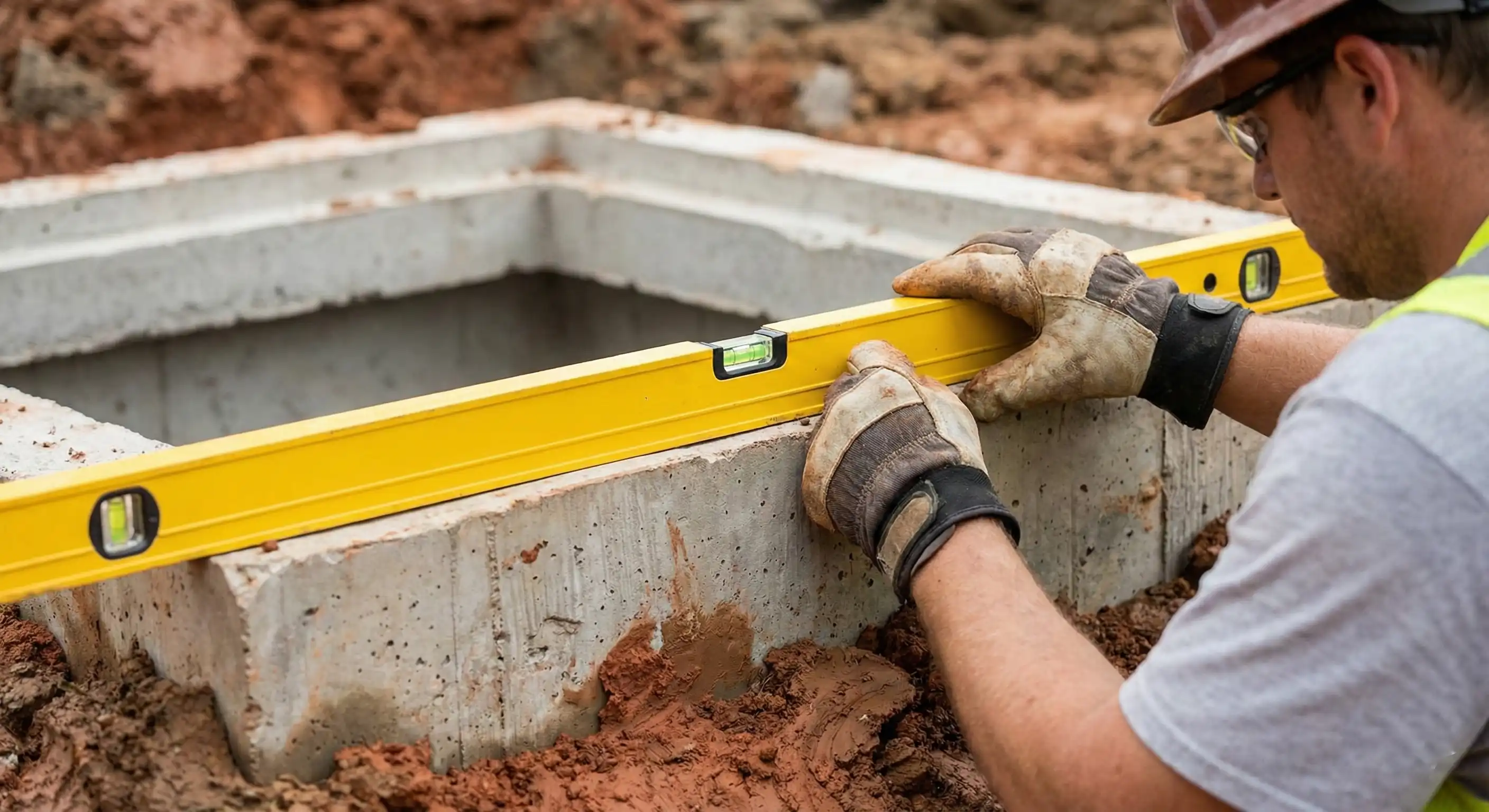
The best way to determine which shelter type suits your property is through a professional site evaluation. Our free assessments include:
- Soil condition evaluation
- Water table considerations
- Property access review
- Family accessibility discussion
- Placement recommendations
- Accurate pricing for both options
Don’t guess about something this important. Contact Huntsville Storm Shelters today for your free site assessment. We’ll help you understand exactly which shelter type makes the most sense for your home, your family, and your budget.
Your family’s safety is worth getting this decision right.
Pricing Disclaimer: Price ranges mentioned in this article are for general informational purposes and represent typical market ranges. Actual costs may vary based on specific project requirements, site conditions, and contractor rates. Contact us for an accurate quote.