
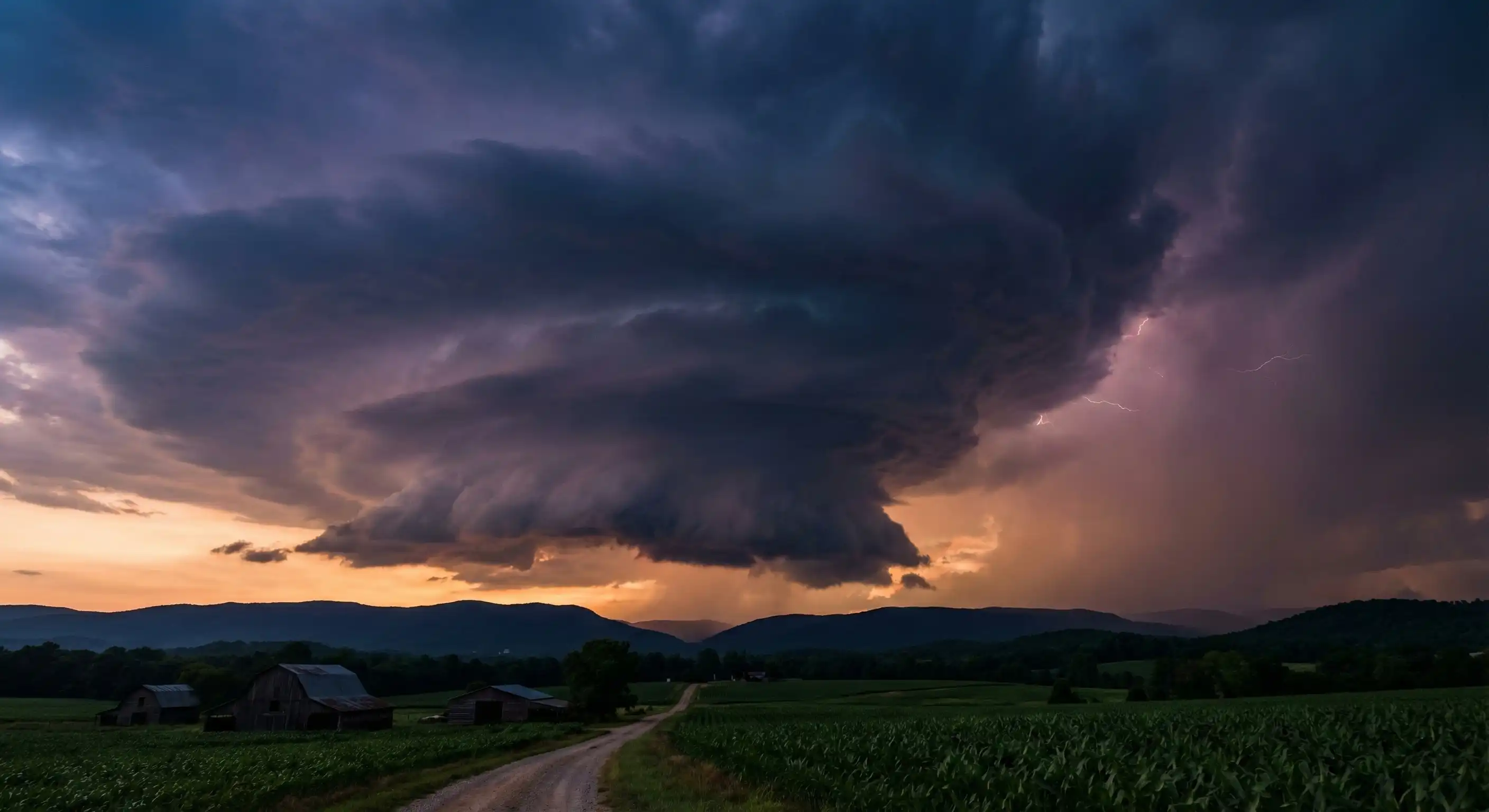
If you’re living in Huntsville or anywhere in North Alabama and wondering whether you really need a storm shelter, you’re asking an important question. The answer, based on decades of tornado data and the region’s unique weather patterns, is almost certainly yes. This article examines the historical tornado record, explains why Alabama tornadoes are often more dangerous than those in traditional Tornado Alley, and helps you understand the real risks facing your family.
Huntsville’s Tornado History
North Alabama’s tornado history includes some of the most devastating events in American weather history. Understanding this record helps put current risks in perspective.
The 2011 Super Outbreak
On April 27, 2011, North Alabama experienced the worst tornado outbreak in modern history. This single day changed how the region thinks about severe weather preparedness.
By the numbers:
- 62 tornadoes touched down in Alabama on April 27
- Multiple EF4 and EF5 tornadoes tracked through populated areas
- 252 Alabamians lost their lives
- Madison County experienced direct tornado impacts
- Property damage exceeded $4.2 billion statewide
The 2011 outbreak wasn’t unprecedented—it was predictable based on North Alabama’s geographic position and weather patterns. Meteorologists had warned for years that such an event was possible. Since 2011, the region has continued to experience significant tornado activity, reinforcing that this wasn’t a once-in-a-lifetime occurrence.
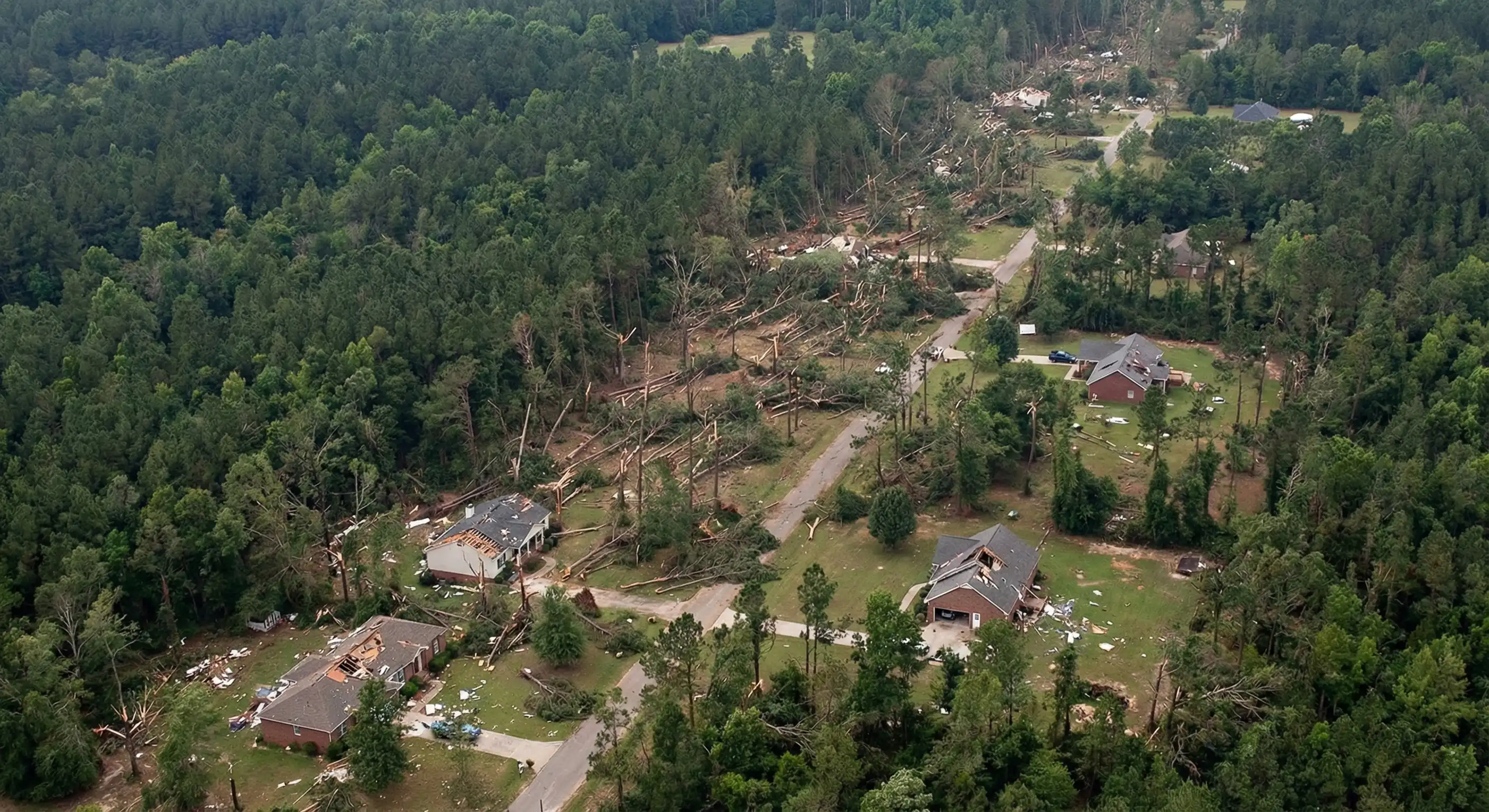
The 1974 Super Outbreak
Before 2011, the April 3-4, 1974 Super Outbreak held the record for tornado destruction. This two-day event produced 148 tornadoes across 13 states, with Alabama heavily impacted.
Alabama impacts included:
- Multiple EF4+ tornadoes across North Alabama
- Significant fatalities throughout the Tennessee Valley
- Widespread destruction in residential areas
- National recognition of Alabama’s severe tornado vulnerability
The 1989 Huntsville Tornado
On November 15, 1989, an F4 tornado struck Huntsville directly, killing 21 people and injuring nearly 500. This tornado tracked through populated residential and commercial areas, demonstrating that even outside peak spring season, North Alabama faces serious tornado risk.
The 1989 tornado struck without adequate warning—radar technology and warning systems were far less advanced than today. However, even with modern warnings, the fundamental risk remains unchanged.
Ongoing Tornado Activity
Significant tornado events continue regularly:
- 2020: Multiple tornadoes during March outbreak, including impacts to Madison County
- 2019: EF2 tornadoes damaged homes in Limestone and Madison counties
- 2016-2018: Annual tornado events causing injuries and significant property damage
- Every year: Madison County experiences tornado warnings requiring shelter action
The question isn’t whether tornadoes will threaten Huntsville again—they will. The question is whether your family will have adequate protection when the next one approaches.
Tornado Risk by Month and Time of Day
Understanding when tornadoes are most likely helps with preparation, though it shouldn’t create false confidence during “off-peak” periods.
Peak Tornado Months in Alabama
March: Tornado season begins with increasing intensity. Severe storms become more common as Gulf moisture and upper-level disturbances interact.
April: The highest-risk month. The 2011 Super Outbreak occurred in late April. Cold fronts and warm, moist air create ideal tornado conditions.
May: Activity remains elevated through early May before declining. Late-season tornadoes are common.
November: A secondary peak occurs in fall. The 1989 Huntsville tornado struck in November. This period catches many families off guard.
Monthly Tornado Risk (Madison County)
Based on historical data, approximate relative tornado risk by month:
- January-February: Low (but not zero)
- March: Moderate to High
- April: Highest
- May: Moderate to High
- June-August: Low to Moderate
- September-October: Low
- November: Moderate
- December: Low
Time of Day Dangers
Here’s where Alabama’s tornado risk differs dramatically from Oklahoma and Kansas. In traditional Tornado Alley, most tornadoes occur during daylight hours when storms are visible. In Alabama and the Southeast:
Nighttime tornadoes are common. Nearly 30% of Alabama tornadoes occur between sunset and sunrise—when families are sleeping and storms are invisible.
Why this matters:
- Sleeping families may not hear warnings
- Visual tornado identification is impossible at night
- Storms hidden by rain and darkness strike without visual warning
- Response time is reduced when awakened from sleep
This nighttime risk factor significantly increases the importance of having a dedicated storm shelter. Your closet or bathroom offers some protection, but a FEMA-rated shelter provides reliable safety even when tornadoes strike while you’re asleep.
Why Alabama Tornadoes Are More Dangerous
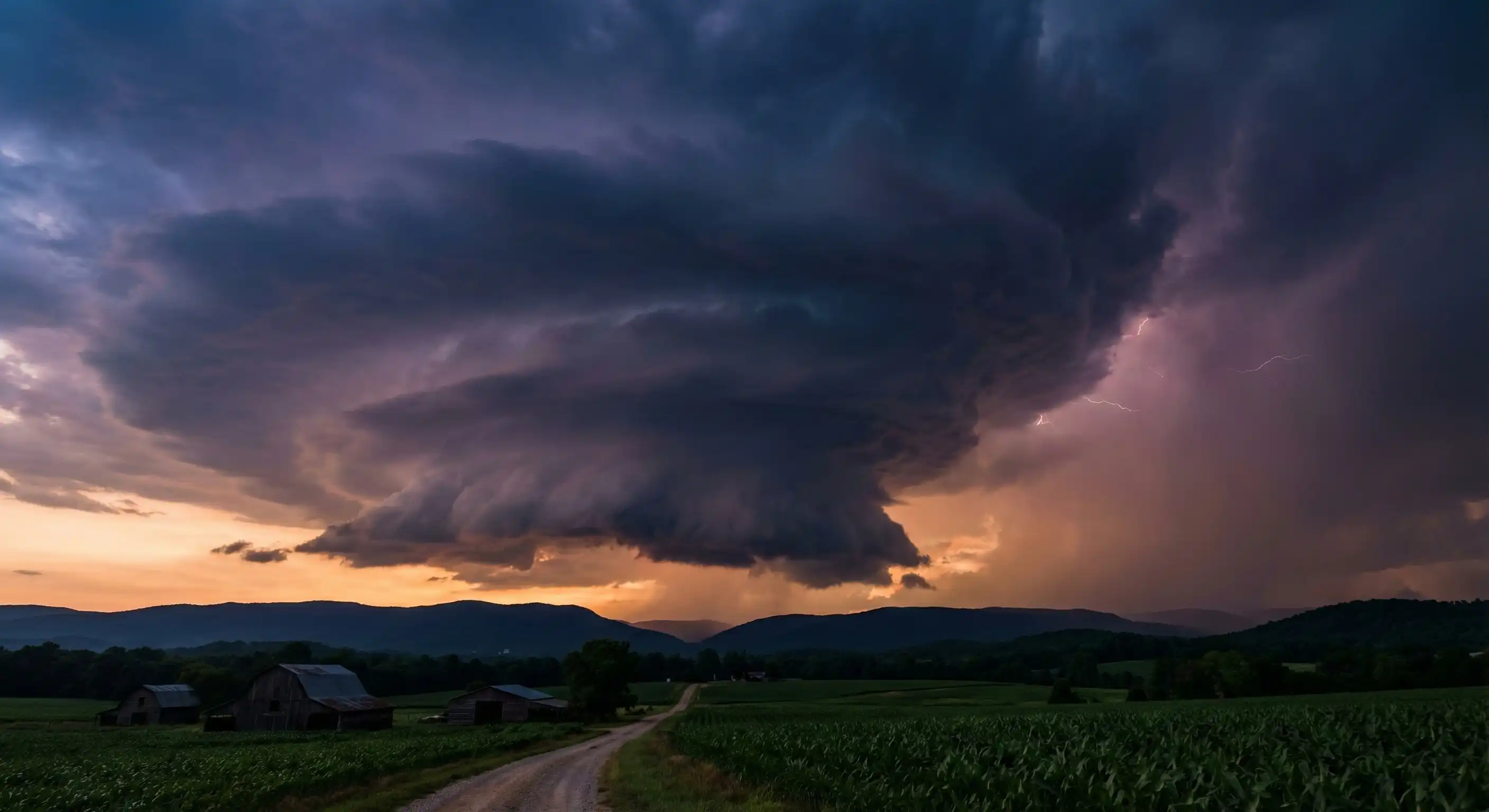
North Alabama sits in “Dixie Alley,” a region stretching from Louisiana through Mississippi, Alabama, and Tennessee. Despite receiving less national attention than Oklahoma’s Tornado Alley, Dixie Alley is statistically more dangerous for tornado fatalities.
Higher Fatality Rates
Alabama consistently ranks among the top states for tornado deaths, often exceeding Oklahoma and Kansas despite having fewer total tornadoes. Several factors explain this:
Population density: More people live in the path of Dixie Alley tornadoes than in rural Oklahoma and Kansas.
Nighttime occurrence: Higher percentage of tornadoes striking after dark.
Rain-wrapped tornadoes: Southeast tornadoes are often hidden within heavy rain, invisible until impact.
Terrain obstacles: Hills, trees, and buildings block views of approaching storms.
Building construction: Fewer basements in Southern homes mean less automatic protection.
The “Rain-Wrapped” Problem
In Oklahoma, classic tornadoes often appear as visible funnels against clear skies—the iconic images seen on television. In Alabama, many tornadoes are embedded within heavy rain, completely invisible from ground level.
These rain-wrapped tornadoes:
- Cannot be seen approaching
- May not produce the classic “freight train” sound until impact
- Require shelter decisions based entirely on warnings, not visual confirmation
- Strike with almost no reaction time once visible
This characteristic makes Alabama tornadoes particularly deadly and reinforces why permanent, dedicated storm shelters are essential.
Limited Warning Time
Despite significant advances in weather radar and warning systems, Alabama tornado warnings still average just 10-15 minutes of lead time. When a warning sounds, you have minutes—not hours—to reach safety.
Consider your current plan:
- Can everyone in your household reach your designated shelter area in under 5 minutes?
- What if the tornado strikes at 3 AM?
- What if you’re physically unable to move quickly?
- What if your hallway or bathroom isn’t sufficient for an EF4 or EF5?
A dedicated storm shelter, especially one in your garage or home, provides reliable protection with minimal travel time.
Insurance Considerations
Storm shelter installation has financial implications beyond purchase and installation costs. Many families are surprised to learn about insurance benefits.
Potential Premium Reductions
Some insurance carriers offer discounts for homes with FEMA-approved storm shelters:
- Typical discounts range from 5% to 15% of annual premiums
- Over 10-20 years, these savings add up significantly
- Discounts vary by carrier—check with your insurance agent
Coverage for Shelter Installation
Depending on circumstances, insurance may cover some shelter costs:
- After tornado damage, replacement costs may include shelter installation
- Some policies offer mitigation credits for adding safety features
- Review your policy or discuss options with your agent
Claims History Consideration
Having a storm shelter may indirectly benefit your insurance standing:
- Shelter protection reduces likelihood of personal injury claims
- Families with shelters may be more safety-conscious overall
- Some underwriters view shelters favorably when assessing risk
Property Value Impact
Storm shelters are increasingly valued in North Alabama’s real estate market:
- Buyers actively seek homes with storm protection
- Shelters can help differentiate your home in competitive markets
- The investment often returns at sale, particularly for underground installations
Making Your Decision
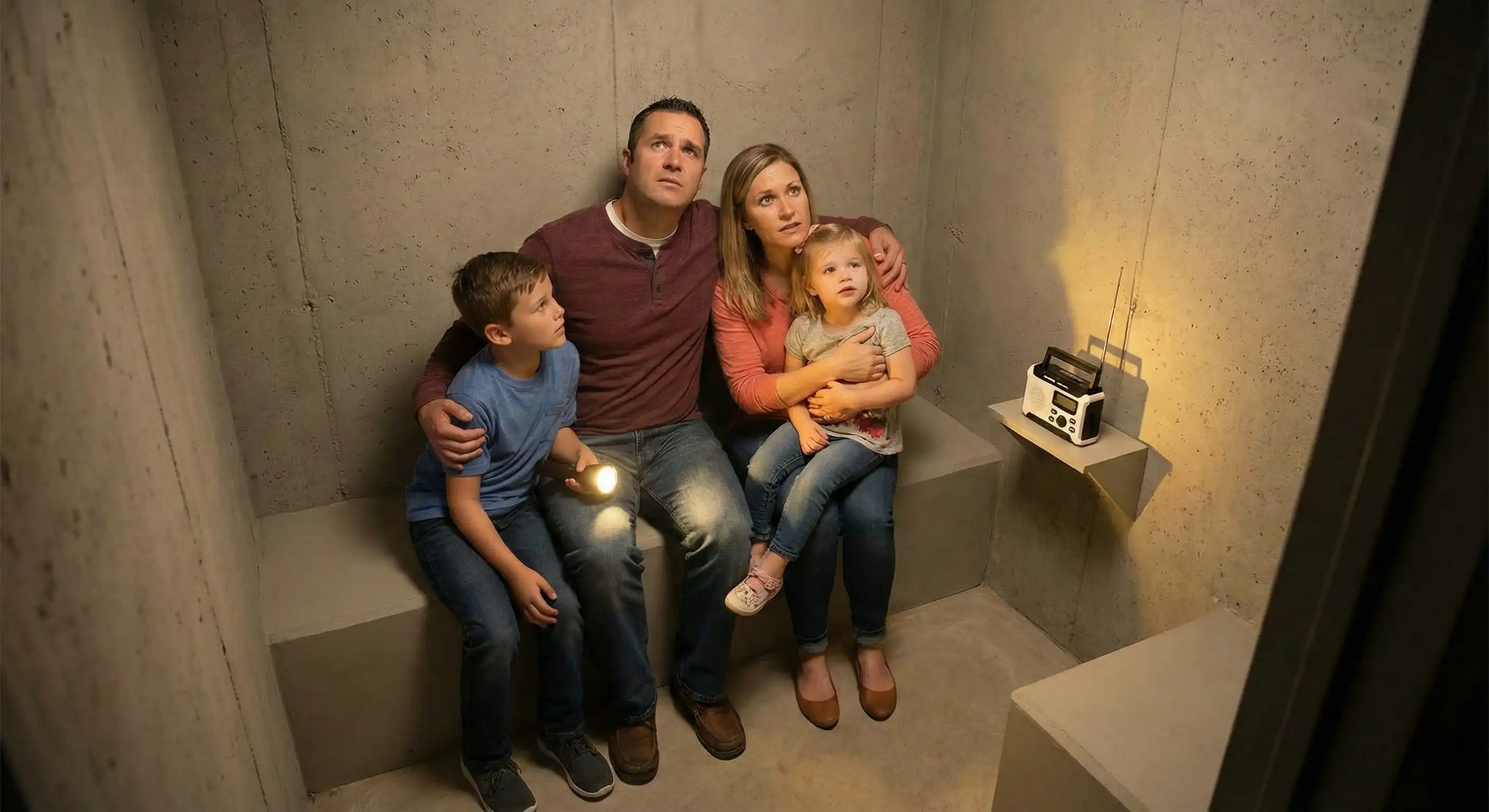
After reviewing tornado risk, history, and practical considerations, how should you approach the shelter decision?
Who Should Seriously Consider a Storm Shelter
High priority if you:
- Have children in the home
- Have elderly family members
- Have pets you want to protect
- Live in a mobile or manufactured home
- Don’t have a basement
- Work night shifts (family sleeping during severe weather)
- Live in a multi-story home (upper floors are more dangerous)
- Want peace of mind during tornado season
What You’re Really Buying
A storm shelter purchase isn’t just about the physical structure. You’re buying:
Certainty: When warnings sound, you know exactly where to go and that the location provides real protection.
Time: No more anxious minutes in a closet wondering if your home will hold. The shelter is rated for the worst tornadoes—period.
Sleep: During tornado season, families with shelters report sleeping better knowing protection is seconds away.
Family safety: The ultimate priority. No dollar amount compares to knowing your loved ones have a place to survive even the worst storms.
The Cost of Not Having a Shelter
Consider what’s at risk:
- Your life and the lives of family members
- Potential for serious injuries even from “minor” tornadoes
- Anxiety and stress during every severe weather event
- Regret if a tornado strikes and protection wasn’t available
A storm shelter typically costs $3,000-$9,000 installed. Alabama currently offers a state tax credit of up to $3,000 (or 50% of costs, whichever is less) for FEMA-compliant shelters—this credit is available through 2028 and doesn’t require waiting for a disaster declaration like FEMA grants. Compared to the value of what you’re protecting, the investment is modest.
Taking Action
If you’ve read this far, you already understand that North Alabama’s tornado risk is real and significant. The question now is what you’ll do about it.
Next Steps
Assess your current protection: Is your closet or bathroom truly adequate for an EF4 tornado at 2 AM?
Consider your family’s needs: Elderly relatives? Young children? Pets? Accessibility requirements?
Learn your options: Underground, above-ground, garage—which fits your property and budget?
Get a professional assessment: Free site evaluations identify the best shelter type for your home.
Act before tornado season: Don’t wait until warnings are sounding to wish you had protection.
Huntsville Storm Shelters provides free, no-obligation consultations to help North Alabama families understand their options. We assess your property, discuss your needs, and provide transparent pricing for shelter installation.
The next major tornado outbreak will happen. North Alabama’s weather patterns guarantee it. The only question is whether your family will be protected when it arrives.
Contact us today to schedule your free consultation. Your family’s safety is worth the call.
Pricing Disclaimer: Cost estimates mentioned in this article are for informational purposes only. Actual costs may vary based on specific project requirements, site conditions, and contractor rates. Contact us for an accurate quote.